
BLOG
Breaking down the Budget 2025 for employers
Written by Daniel Rawcliffe on 27 November 2025
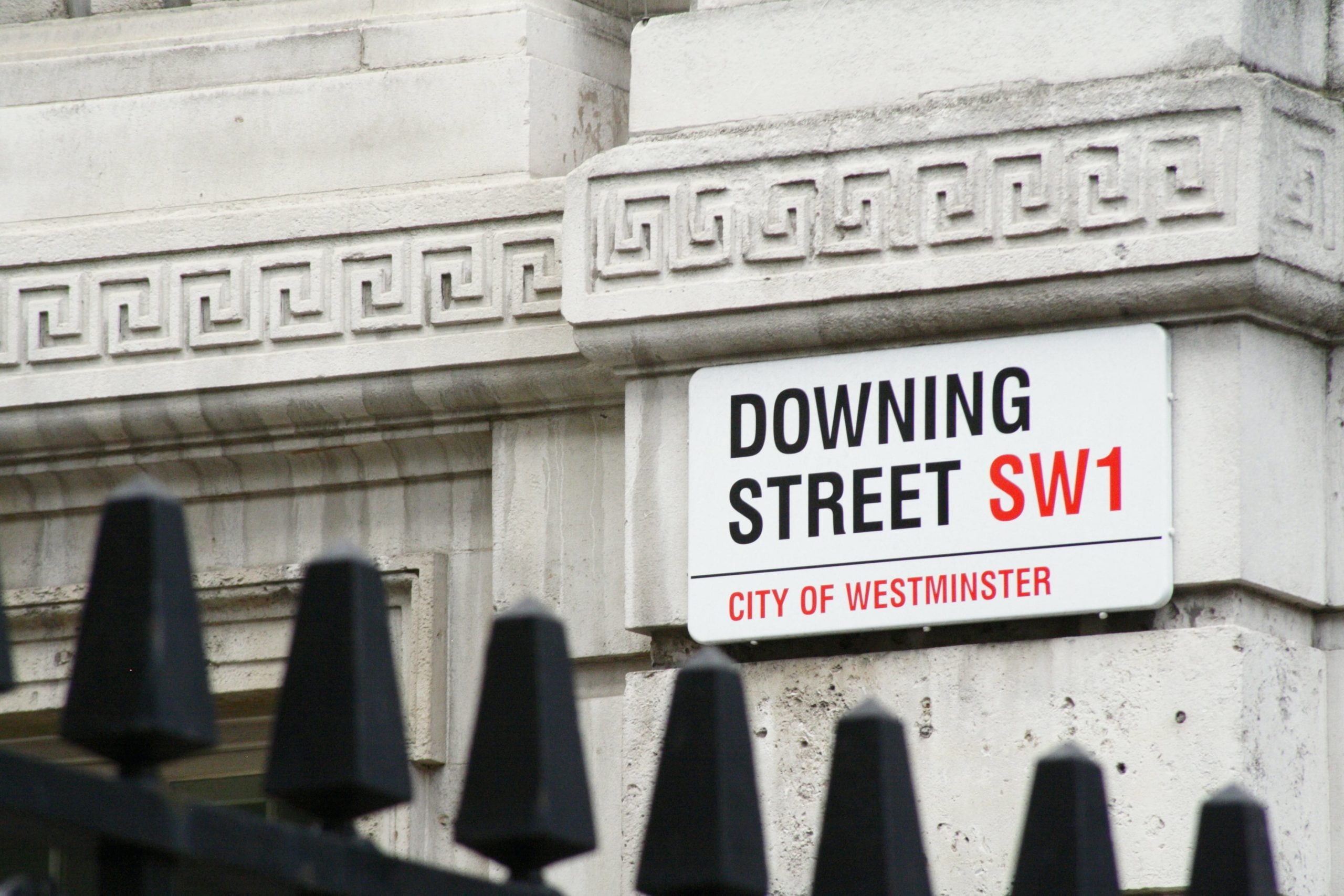
The recently announced UK Budget 2025 is a challenging one for small businesses. While it covers a wide range of policies, several measures will have a direct impact on the workplace. So what are the key takeaways?
From changes to wages and benefits to adjustments in taxation and workforce funding, employers will need to consider how these measures affect payroll, recruitment, and retention. Here’s a clear breakdown of the key points and practical steps businesses can take now.
1. Budget income tax thresholds
The Budget announced income tax thresholds will be frozen until the 2030/31 tax year. This means fiscal drag will continue as wages rise over the coming years; due to Budget minimum wage increases, more employees will be pulled into higher tax bands. In effect, many senior staff, business owners and high earners will end up paying more tax without feeling any better off.
The personal tax burden for top earners is likely to increase significantly, especially when combined with proposals for extra taxes on high-value properties. For employers, this may make it harder to attract and retain senior talent, as take-home pay becomes a growing concern for employees.
Employers may also come under greater pressure to raise salaries to help offset these higher personal tax costs, which in turn could push up overall payroll spending. Employer National Insurance contributions (NICs) already increased in the last Budget and it remains to be seen how employers will balance these mounting financial pressures in the months ahead.
Do you need support?
Speak to us for an honest, no obligation chat on:
0345 226 8393 Lines are open 9am – 5pm
2. Budget minimum wage increase
From April 2026, the National Living Wage for those 21 and over will rise by 4.1% to £12.71 per hour. Rates for younger workers will see even sharper increases, with the National Minimum Wage for 18 to 20-year-olds rising by 8.5% to £10.85 per hour, and the rate for 16 to 17-year-olds and apprentices increasing by 6% to £8 per hour.
The UK will have one of the highest minimum wage levels globally. While this is positive for low-income workers, the increase to the minimum wage in the Budget does raise important questions for employers:
- Will younger workers become too expensive to hire?
- Could higher wage floors exacerbate youth unemployment, already at 14.5%?
With these changes on the horizon, businesses should model the impact on staffing costs early and consider how recruitment, scheduling and workforce planning may need to adapt.

3. Salary sacrifice Budget changes
From April 2029, NICs relief on pension contributions made via salary sacrifice will be capped at the first £2,000 per year. Contributions above this amount will be subject to both employer and employee NICs.
This reduction in flexibility for offering tax-efficient benefits could have wider implications for employers. Businesses may find it more challenging to attract and retain staff if popular perks, such as enhanced pension contributions, cycle-to-work schemes, or other salary sacrifice options, become less financially advantageous. In light of these Budget salary sacrifice proposals, employers should start reviewing their total reward strategies to understand the potential impact on recruitment, retention, and overall compensation planning – particularly for higher earners.
Other UK Budget 2025 implications for employers
- Budget tax on dividends: The Chancellor will implement a 2 percentage point rise on ordinary and upper tax rates for dividend income from April 2026. This will target directors who take low salaries and rely on dividends.
- Free apprenticeships: Training for apprentices under the age of 25 will be completely free for SMEs (businesses with fewer than 250 staff and less than or equal to £44m in annual turnover or a balance sheet total of less than or equal to £38m.)
- Growth and Skills Levy: The Apprenticeship Levy will be replaced by a more flexible Growth and Skills Levy from April 2026, allowing employers to use funds for a wider range of short-term and modular training courses.
- Lower rates for high street: Lower business rates will be introduced for over 750,000 retail, hospitality, and leisure properties.
- Higher rates for warehouses: This is funded by higher rates for large distribution warehouses, aiming to level the playing field between online and brick-and-mortar businesses.
- Capital Gains Tax (CGT) relief: CGT relief for sales to Employee Ownership Trusts (EOTs) will be reduced from 100% to 50%, impacting businesses considering this succession model.
- Welfare and sickness: The government announced reforms to the welfare system and promised to work with employers to better support those who are sick to stay in work, along with tackling youth unemployment via a “Youth Guarantee”.
UK Budget 2025: 5 things employers can do now
Budget for wage increases and model payroll costs
Forecast the impact of the National Living Wage rise and changes to pension salary sacrifice on staffing costs and National Insurance, then assess how this might affect hiring younger workers.
Review benefits packages
Evaluate current benefits in light of the proposed salary sacrifice cap and consider alternative ways to reward staff while staying competitive.
Plan for higher tax costs for directors and senior staff
Owner-managed businesses may need to revisit remuneration structures to manage the impact of Budget dividend tax and income tax changes.
Leverage apprenticeship funding
Explore new free apprenticeship funding for under-25s and the flexibility offered by the upcoming Growth and Skills Levy to upskill your workforce cost-effectively.
Monitor employment law changes
Stay informed about potential new requirements under the forthcoming Employment Rights Bill, such as day one rights for unfair dismissal and changes to zero-hour contracts.
From Budget to Bill: How WorkNest can support your small business
With the Budget signalling rising employment costs and tighter tax rules, and the upcoming Employment Rights Bill set to introduce stronger worker protections and stricter requirements, employers are facing a combined cost, compliance, and workforce-management challenge.
With WorkNest, you don’t have to navigate it alone. Our Employment Law and HR specialists can help you plan ahead so that you’re better positioned to manage these changes and maintain workforce stability.
Whether you need support with reviewing pay and benefits, workforce planning (including restructures or redundancies if needed), or updating contracts and policies, or strengthening processes to prepare for new employment laws, WorkNest can guide you every step of the way.
For advice and support, get in touch today on 0345 226 8393 or request your free consultation using the button below.