











Protect Your Residents
Practical Fire Safety Guidance for Care Homes
A failed CQC inspection can threaten your registration. A visit from the fire service can go further. For care homes, understanding care home fire safety guidance isn't just a compliance checkbox, it sits at the intersection of two regulators, both of which can take enforcement action. Here's what you need to understand before you're the one explaining a gap to an inspector.
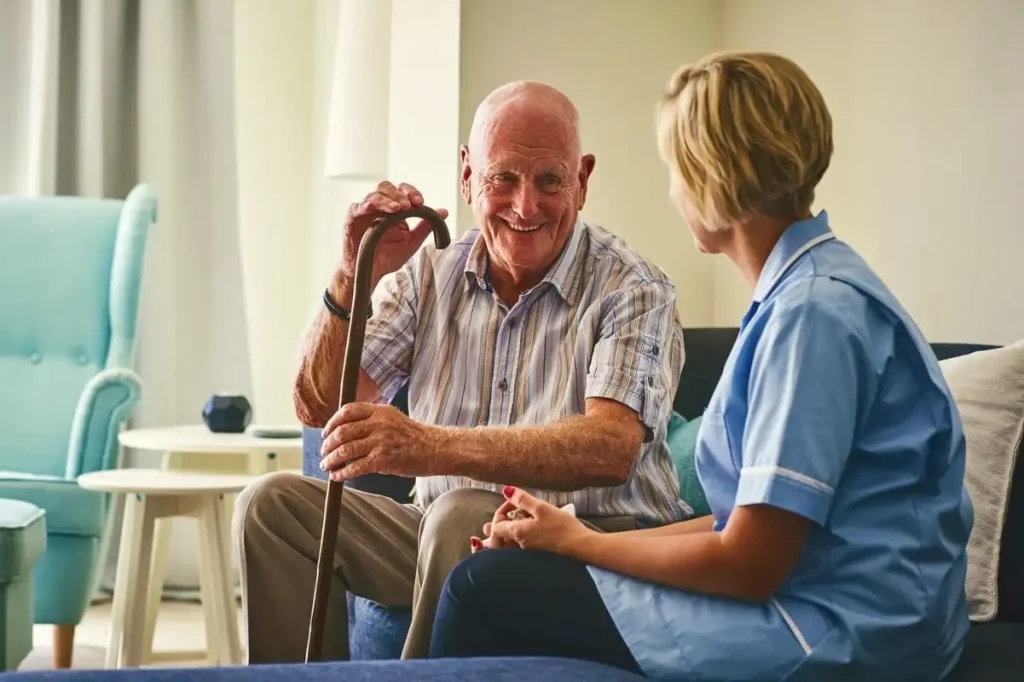
Care Home Fire Safety Guidance: What CQC and the fire service require
Care homeowners and managers are often surprised to learn that fire safety compliance isn't owned by a single body. CQC assesses whether fire safety is being managed as part of your overall duty of care to residents - it wants to see that risks are identified, controlled, and reviewed.
Your local fire and rescue authority, meanwhile, enforces the Regulatory Reform (Fire Safety) Order 2005 directly for care homes, and can issue enforcement notices, prohibition notices, or prosecute where serious failings are found.
These two lines of scrutiny reinforce each other. CQC inspectors will ask to see evidence of your fire safety management against CQC fire safety requirements, and if what they find is concerning, they can and do refer matters to the fire authority. A poor outcome from either regulator puts pressure on the other.
Understanding how the two overlap is the first step to staying ahead of both and it's exactly the kind of dual-regulator complexity that our specialist fire safety advice is built to help care home providers navigate on an ongoing basis, rather than as a one-off exercise.
The Responsible Person/Duty Holder: Where the Duty Sits
Under the Fire Safety Order, every non-domestic premises must have a Responsible Person / Duty Holder (Scotland). In a care home, this is typically the employer, owner, or the manager with operational control of the building. Responsible Person fire safety duties carry personal legal weight, and ignorance of them is not a defence.
At a high level, this role involves assessing fire risk, maintaining appropriate precautions, planning for emergencies, training staff, and being able to evidence all of it. CQC's inspection framework, particularly under the "Safe" key question, draws directly on whether these duties are being discharged in practice - not just on paper. What "suitable and sufficient" actually looks like depends heavily on your building, your resident profile, and your staffing model, which is why generic, off-the-shelf approaches so often fall short when tested.
For many providers, carrying this personal legal responsibility without in-house fire safety expertise is where the anxiety really sits. This is precisely the space WorkNest's retained fire safety service operates in - giving the Responsible Person ongoing, named support rather than leaving them to interpret the Order alone.
Contact us today for a free consultation, we'll discuss your specific health & safety needs.
The Fire Risk Assessment: Your Central Document
If there's one document that both regulators will ask for first, it's your fire risk assessment for the care home (FRA). This is the foundation of your legal compliance and the document most likely to be scrutinised in detail. Our team can support you directly with a fire risk assessment for care homes carried out by a competent, sector-experienced assessor.
A defensible FRA for a care home needs to go well beyond a generic template. It has to reflect the realities of your specific residents and building - mobility, cognitive impairment, and the practicalities of evacuation are treated very differently in a care setting than in a standard workplace. Inspectors will also want confidence that the assessment was carried out by someone genuinely competent to do so, and that it's reviewed on a meaningful cycle rather than left to gather dust.
Where homes tend to come unstuck isn't usually the assessment itself - it's what happens, or doesn't happen, after it's written. A retained fire safety service, like the one WorkNest provides, keeps that follow-through on track by building the review cycle in as an ongoing relationship rather than something you have to remember to chase.
What CQC Inspectors Are Really Assessing
In practice, CQC inspectors are looking for a joined-up picture: a current risk assessment, evidence that identified issues have been acted on, records of staff training and drills, and evacuation planning that holds up for residents who can't self-evacuate. They're also alert to how well this translates to real life on shift - particularly overnight, when staffing is lower and the people on duty may be least familiar with the building.
One area inspector’s focus on specifically is whether each resident has an up-to-date Personal Emergency Evacuation Plan (PEEP) - a PEEP for a care home resident sets out exactly how that individual will be supported to leave the building safely, and gaps here are a frequent, and easily checked, source of concern at inspection.
Gaps in this picture are among the most common reasons care homes receive requirement notices or a "requires improvement" rating under the Safe domain.
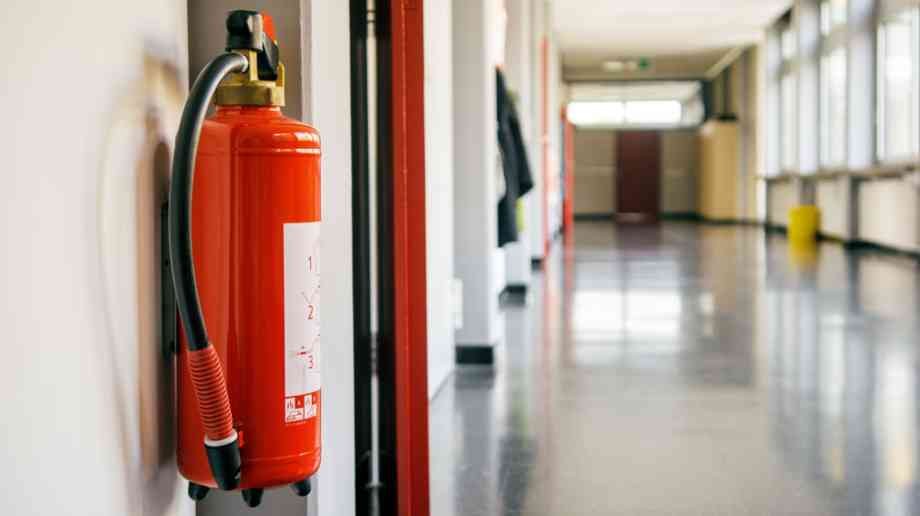
Where Fire Safety in Care Homes Can Go Wrong
Most enforcement action doesn't stem from one catastrophic failure. It stems from small, accumulated gaps that a determined inspector will find:
Out-of-date fire risk assessments that haven't kept pace with changes to the resident group or building
PEEP gaps missing or outdated Personal Emergency Evacuation Plans for individual residents
Agency staff knowledge gaps around evacuation procedures and building layout
Overnight shift gaps, where lower staffing levels meet the least building-familiar team
Fire door and equipment check that aren't consistently logged, even where the equipment itself is compliant
Structural and building fabric fire stopping measures are an integral part of fire safety compliance and fall within the remit of the responsible person/duty holder.
None of these are unusual, and none are difficult to fix once they've been identified. The harder part is knowing where to look before an inspector does, which is where having a retained fire safety adviser on hand. Gaps get caught in the ordinary course of an ongoing relationship, not during a stressful scramble ahead of a visit.
Access Expert Care Home Fire Safety Support
The commercial risk here is real and dual-sided. CQC can downgrade your rating or issue requirement notices that affect your reputation with families and commissioners. The fire authority can issue enforcement or prohibition notices that affect your ability to operate at all — and in serious cases, prosecute the Responsible Person individually.
The reassuring part is both regulators are largely looking for the same underlying thing: proof that fire safety compliance in your care home is being actively managed, not just assumed. Getting from a broad understanding of your duties to a system that will actually hold up under scrutiny is where most homes need support - and it's worth getting right well before an inspection date is on the calendar. Read more about how we support providers with ongoing health and safety compliance across the care sector.
Fire safety compliance in a care home isn't a task you complete once - it's a standing legal responsibility that needs to keep pace with your residents, your building, and your staff. Our retained fire safety service gives Responsible Persons ongoing access to expert guidance, so you're never facing CQC or the fire authority without knowing exactly where you stand.
Get in touch with WorkNest today to find out how our retained fire safety service can help your care home stay compliant, inspection-ready, and confident - all year round.
Call us on 0345 226 8393 to speak to a fire safety expert or request a callback online.
Get expert advice to prepare your care home, one call sets you on the path to UK compliance.