


Blog
What Good Cyber Hygiene Looks Like in 2026
October is Cybersecurity Awareness Month, and while cyber threats continue to evolve, the importance of getting the basics right hasn't changed.
Cybersecurity is often associated with complex technologies, sophisticated attacks, and specialist security teams. But some of the most effective ways to protect a business come down to everyday habits.
From using strong passwords and keeping software updated to recognizing phishing attempts, good cyber hygiene plays an important role in reducing security risks.
In 2026, however, businesses have even more to think about. Artificial intelligence (AI) is becoming part of everyday operations, cybercriminals are finding new ways to target organizations, and employees are working across more devices, platforms, and locations than ever before.
So, what does good cyber hygiene actually look like in 2026, and how can organizations make sure they're getting it right?
What Is Cyber Hygiene, and Why Does It Matter?
Cyber hygiene refers to the everyday practices, processes, and security measures that help keep an organization's systems, devices, and information protected.
Much like maintaining good personal hygiene, cyber hygiene is about building consistent habits that prevent problems before they happen.
For businesses, this includes making sure employees understand how to work securely, keeping systems up to date, protecting accounts, and identifying potential security risks early.
The challenge is that cybercriminals don't always need sophisticated techniques to gain access to business systems. A reused password, an overlooked software update, or a convincing phishing email can sometimes be enough to create an opportunity.
Good cyber hygiene helps close these gaps, reducing the likelihood of an incident and limiting the potential impact if something does go wrong.
1. Strong Passwords and Secure Access Still Matter
Passwords have been a central part of cybersecurity for years, yet weak or reused credentials continue to create unnecessary risks.
In 2026, employees may have access to dozens of business accounts, from email and customer relationship management platforms to cloud applications and internal systems.
Remembering a different password for every account isn't always realistic, which is why password managers can be valuable.
Good password hygiene means:
Using long, unique passwords for every business account.
Avoiding predictable passwords or reusing credentials across platforms.
Using a trusted password manager to create and store passwords securely.
Enabling multifactor authentication (MFA) wherever possible.
Using passkeys or phishing-resistant authentication methods when available.
MFA adds another layer of protection by requiring users to verify their identity beyond entering a password. This helps make unauthorized access more difficult, even if a password has been compromised.
Businesses should also regularly review who has access to sensitive systems and remove permissions that are no longer needed.
2. Recognizing Phishing Is Getting More Difficult
Phishing isn't a new threat, but the way cybercriminals carry out these attacks is changing.
In the past, phishing emails were often associated with spelling mistakes, suspicious-looking links, and poorly written messages.
Today, AI is making it easier for attackers to create more convincing communications that appear professional, personalized, and legitimate.
An employee might receive an email that appears to come from a colleague requesting an urgent payment, a supplier asking for updated account details, or a familiar service prompting them to verify their login credentials.
These messages can be difficult to distinguish from genuine business communications, particularly when employees are busy.
Good phishing awareness in 2026 means encouraging employees to:
Check email addresses and sender details carefully.
Be cautious of unexpected links, attachments, or requests.
Question messages that create unnecessary urgency or pressure.
Verify unusual financial or sensitive information requests through a separate, trusted communication channel.
Report suspicious messages to their IT or security teams.
Importantly, employees should feel comfortable reporting potential mistakes without fear of blame.
Creating a culture where people are encouraged to question suspicious activity can make a significant difference.
3. Keeping Software and Devices Updated
Software updates can be easy to overlook, especially when employees are focused on their day-to-day responsibilities.
However, outdated software can contain known security vulnerabilities that cybercriminals may attempt to exploit.
Regular updates help address these weaknesses and keep business systems better protected.
This applies to everything from laptops and mobile devices to operating systems, web browsers, applications, and cloud-connected tools.
Good cyber hygiene includes:
Installing security updates promptly.
Enabling automatic updates where appropriate.
Removing applications and software that are no longer supported.
Keeping an accurate record of business devices and systems.
Regularly checking for known vulnerabilities.
Businesses should also consider how they identify vulnerabilities between scheduled security assessments.
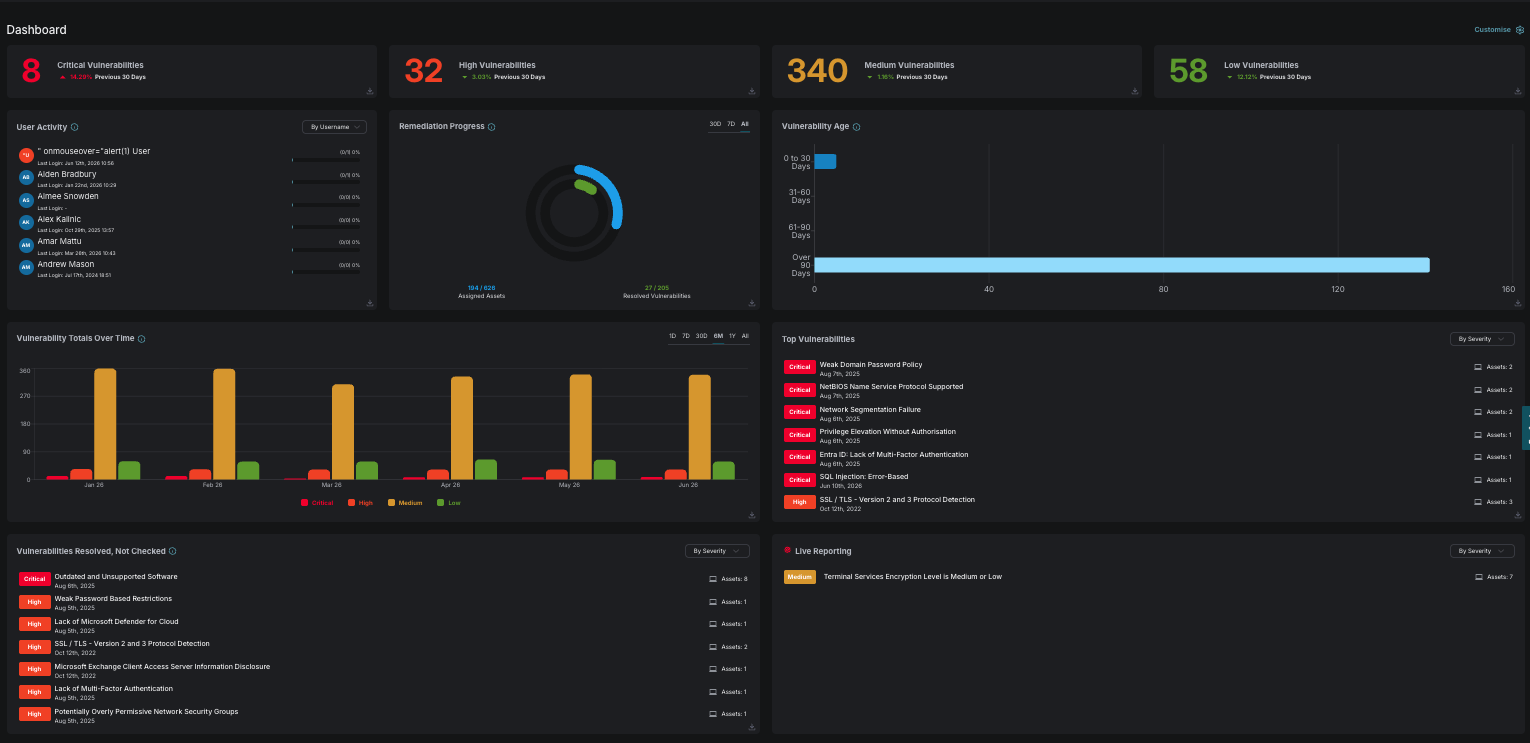
Continuous vulnerability scanning, for example, can help organizations identify potential weaknesses as they emerge, rather than relying entirely on periodic checks.
While updating software might seem like a small administrative task, it's an important part of maintaining a more secure business environment.
4. Using AI Tools Safely and Responsibly
One of the biggest additions to the cyber hygiene conversation in 2026 is the everyday use of AI.
From generating content and summarizing documents to analyzing customer information and supporting business decisions, AI tools are becoming increasingly common across organizations.
While these technologies offer clear benefits, they also introduce new security considerations.
Employees might unintentionally share confidential information with an AI platform, rely on inaccurate AI-generated content, or introduce tools that haven't been approved by their organization.
For example, an employee using a public AI chatbot to summarize an internal business document may not realize how the information could be stored, processed, or used by the service.
This makes AI awareness an important part of good cyber hygiene.
Businesses should encourage employees to:
Use AI tools that have been reviewed and approved by the organization.
Avoid entering sensitive business or customer information into unauthorized platforms.
Understand what information AI tools can access and how that information is handled.
Review AI-generated outputs before relying on them.
Report unexpected AI behavior or potential security concerns.
Follow clear organizational policies for responsible AI use.
It's also important to recognize that having an AI policy doesn't automatically mean AI systems are secure.
Organizations need to understand how their AI tools behave in practice, including whether safeguards can be bypassed or sensitive information could be exposed.
As AI becomes more widely adopted, good cyber hygiene needs to extend beyond traditional devices and accounts to include the tools employees use every day.
5. Making Cybersecurity Everyone's Responsibility
One of the most important elements of good cyber hygiene is creating a workplace culture where cybersecurity is everyone's responsibility.
While IT and security teams play an essential role in protecting business systems, employees across the organization also have a part to play.
A member of the finance team might encounter a suspicious payment request, while someone in marketing could be using an unfamiliar AI platform. Both situations create different risks, but both benefit from good security awareness.
Rather than treating cybersecurity as an annual training exercise, organizations should make it part of everyday working practices.
This could include regular security reminders, short training sessions, practical examples of current threats, and clear processes for reporting concerns.
Training should also reflect the situations employees are likely to encounter in their roles.
A positive cybersecurity culture is one where employees understand why security matters, know what to look out for, and feel confident asking questions when something doesn't seem right.
The more familiar these habits become, the easier it is to maintain them consistently.
6. Regularly Reviewing Security Rather Than Assuming Everything Is Protected
Good cyber hygiene isn't just about putting security measures in place. It's also about checking that they're working as intended.
Businesses change constantly. New employees join, software is introduced, systems are updated, and additional devices connect to corporate networks.
Each of these changes can introduce new security risks.
An organization that had strong security controls in place six months ago may have developed weaknesses without realizing it.
Regular security reviews can help identify these gaps before they become bigger problems.
This could involve checking employee access permissions, reviewing existing security policies, assessing new technologies, or conducting security testing.
Penetration testing and vulnerability assessments can also provide valuable insight into where weaknesses exist and what actions should be prioritized.
Rather than seeing cybersecurity as something that can be completed once and forgotten, businesses should approach it as an ongoing process of improvement.
What Does Good Cyber Hygiene Actually Look Like in Practice?
For organizations looking to strengthen their approach in 2026, good cyber hygiene doesn't have to mean introducing complicated processes or making significant changes overnight.
It's about consistently applying the right practices across the business.
A good starting point is to ask a few simple questions:
Are employees using strong authentication methods to protect business accounts?
Do staff know how to recognize and report suspicious messages?
Are devices, applications, and systems regularly updated?
Does the organization understand which AI tools employees are using?
Are sensitive business and customer details being handled securely?
Are security weaknesses being identified and addressed regularly?
Do employees know who to contact if something goes wrong?
If the answer to any of these questions is unclear, it may indicate an area where additional attention is needed.
The most effective approach is one that makes cybersecurity practical, manageable, and part of everyday business operations.
Conclusion: Good Cyber Hygiene Starts With the Basics
Cybersecurity threats will continue to change, and emerging technologies such as AI will create new challenges for organizations to manage.
But the foundations of good cybersecurity remain much the same.
Strong authentication, regular updates, phishing awareness, responsible technology use, and ongoing security reviews all contribute to a more resilient organization.
This Cybersecurity Awareness Month, The Good, The Bad, The AI is a reminder that while the tools and techniques used by cybercriminals may be evolving, everyday security practices still make a difference.
At WorkNest Secure, we help organizations identify security weaknesses and strengthen their defenses through services including Penetration Testing, Continuous Vulnerability Scanning, and LLM Security Assessments.
Whether you're looking to improve your existing security practices or better understand the risks associated with new technologies, having greater visibility into potential vulnerabilities is an important step toward stronger cyber resilience.
Learn more about how WorkNest Secure can support your organization's cybersecurity with continuous vulnerability scanning.
If you're an existing GuardNest customer, the Continuous Scanning dashboard is live on your account now. Log in to see it, configure your SLA settings and walk through the updated workflows.
If you're new to GuardNest, book a demo and we'll show you how Continuous Scanning works against the targets that matter to you.
Why teams love us
From robust threat defence to dependable regulatory assurance, our cybersecurity service helps organisations stay resilient, safeguard their data, and concentrate on what truly drives their success.

We’ve always been very impressed with the cyber security services WorkNest provide us. Their professional approach, knowledge and flexibility have ensured they have become a key trusted partner in our supply chain.

Paymentsense
Founder
WorkNest Secure delivered a highly professional and thorough incident response service. Their team’s technical knowledge, attention to detail, and clear communication throughout the process made a complex area easy to navigate. The quality of the analysis and final reporting gave us real assurance and added value to our internal security efforts, minimising the impact to the business.
Shoezone
Head of IT
WorkNest Secure perform Web Application and Infrastructure Penetration Testing for Pharmacy2U. They are always professional to engage with, provide an excellent level of service, and the addition of GuardNest makes receiving and interrogating the results of the service very easy indeed.
We look forward to working with them in the future and trust the work they deliver.
Pharmacy2U
Founder
WorkNest Secure stand out in the field of penetration testing due to the skillset of people they have working there. We undertook a complex bespoke pentest with them, which required a lot of pre-work in order to make sure it was scoped correctly, and they took the time to come onsite to make sure all was correct prior to commencing.
From my experience with them, they are very intelligent people with a deep understanding of the security landscape, and we will continue to use them for future testing requirements.
Interactive Investor
Information Security Manager