



Blog
What Does Good AI Security Look Like in 2026?
October is Cybersecurity Awareness Month, and this year, there's an important topic businesses need to be talking about: artificial intelligence (AI).
As AI becomes more widely used, businesses need to think carefully about how they're protecting sensitive information, managing new risks, and ensuring their AI tools are being used securely.
That's why, for Cybersecurity Awareness Month 2026, we're exploring "The Good, The Bad, The AI" looking at the benefits AI can bring, the risks businesses need to understand, and what secure AI adoption should actually look like.
So, what does good AI security look like in 2026, and how can organizations make sure they're getting it right?
The Good: How AI Is Helping Businesses
There's no question that AI is changing the way organizations work.
Tasks that previously took hours can now be completed in minutes, while AI-powered tools are helping employees work more efficiently and giving businesses new ways to improve their services.
Some of the biggest benefits include:
Improved productivity: AI can help employees automate repetitive tasks, summarize information, and spend more time on higher-value activities.
Better customer experiences: AI-powered chatbots and support tools can help businesses respond to customer inquiries faster.
Smarter decision-making: AI can help analyze large amounts of information and identify trends that might otherwise be missed.
Stronger cybersecurity capabilities: AI can also support security teams by helping them identify unusual activity, analyze threats, and prioritize potential risks.
These benefits are encouraging more businesses to adopt AI across different departments.
However, the more AI becomes embedded in day-to-day operations, the more important it is to understand how these systems work, what information they can access, and where weaknesses might exist.
The Bad: What AI Security Risks Should Businesses Be Aware Of?
While AI brings significant opportunities, it also introduces security risks that aren't always immediately obvious.
One of the biggest challenges is that businesses may introduce AI tools without fully understanding how those tools handle information or interact with existing systems.
Here are some of the key AI-related security concerns organizations should be aware of in 2026.
1. Sensitive Information Being Exposed
Employees regularly use AI tools to draft emails, summarize documents, or analyze information.
But what happens when confidential business information or customer data is entered into an AI platform without the right protections?
Depending on the system's settings and how it handles data, sensitive information could be stored, shared, or accessed in unintended ways.
Organizations need to understand which AI tools their employees are using and establish clear guidance around what information can safely be shared.
2. AI-Powered Phishing Attacks
Phishing isn't a new cybersecurity threat, but AI is making some attacks increasingly difficult to recognize.
Cybercriminals can use AI to create convincing emails that appear professional, contain fewer spelling mistakes, and imitate legitimate communications.
Some attacks may also use AI-generated audio or video to impersonate individuals and make fraudulent requests appear more credible.
This means employees can no longer rely on obvious spelling mistakes or poorly written messages to identify a potential scam.
Strong cybersecurity awareness, verification processes, and a healthy level of skepticism remain essential.
3. AI Systems Being Manipulated
AI-powered systems don't always behave exactly as their developers intend.
Attackers may attempt to manipulate an AI application by providing malicious instructions, influencing its responses, or trying to bypass built-in security restrictions.
One example is prompt injection, where malicious instructions are used to influence an AI system's behavior.
Depending on how the application is designed and what permissions it has, these attacks could result in unexpected outputs, unauthorized actions, or the exposure of sensitive information.
That's why organizations shouldn't assume that an AI system is secure simply because it appears to function correctly.
4. Employees Using Unapproved AI Tools
As AI becomes more accessible, employees may begin using tools independently without approval from their IT or security teams.
Sometimes referred to as shadow AI, this can create challenges for organizations that don't have visibility over which platforms are being used or what information is being shared.
Even when employees have good intentions, using unapproved tools can introduce unnecessary security and data protection risks.
Clear policies, approved tools, and regular employee guidance can help businesses make AI use safer without limiting its benefits.
The AI: What Does Good AI Security Actually Look Like?
Understanding the risks is important, but Cybersecurity Awareness Month is also about encouraging positive action.
Good AI security doesn't mean stopping employees from using AI or making adoption unnecessarily complicated.
It means taking practical steps to make sure AI can be used safely, responsibly, and with the right level of oversight.
Here are five signs that an organization is taking AI security seriously.
1. You Know Which AI Tools Your Business Is Using
The first step toward better AI security is visibility.
Organizations should have a clear understanding of where AI is being used, what purpose each tool serves, and whether those tools have access to sensitive business information.
This includes AI features built into existing software, not just standalone applications.
Having this visibility makes it easier to identify risks and decide where additional controls may be needed.
2. Employees Understand How to Use AI Securely
Employees play an important role in protecting business information, particularly when they're using AI tools as part of everyday tasks.
Cybersecurity awareness training should now include practical guidance around AI use.
For example, employees should understand:
What information should never be entered into public AI tools.
Why AI-generated content should be checked before being used.
How to recognize AI-assisted phishing and impersonation attempts.
Which AI tools are approved for business use.
Who to contact if they notice something unusual.
Building these habits into everyday working practices can help reduce the risk of accidental information exposure and misuse.
3. AI Systems Are Tested, Not Just Trusted
One of the most important parts of good AI security is understanding how systems behave when they're put under pressure.
An AI-powered application may work perfectly during normal use, but that doesn't necessarily mean its safeguards will hold up against malicious activity.
Security assessments can help organizations identify potential weaknesses by testing how AI systems respond to unexpected inputs and attempts to bypass restrictions.
For example, testing may explore whether:
Sensitive information could be exposed.
Security safeguards can be bypassed.
Malicious prompts can manipulate the system.
AI applications have access to more information or functionality than necessary.
The system produces unexpected outputs that could introduce business risks.
By identifying weaknesses early, businesses can take steps to improve security before vulnerabilities are exploited.
4. There Are Clear Rules and Responsibilities
Good AI security requires more than technical controls.
Organizations should also have clear policies explaining how AI can be used, what safeguards are required, and who is responsible for managing associated risks.
This might include reviewing new AI tools before they're introduced, defining appropriate uses of AI, and making sure employees know when human approval is required.
Businesses should also consider how AI security fits into their wider cybersecurity and risk management strategies.
Having a structured approach helps organizations make more consistent decisions about AI rather than addressing individual risks only when problems appear.
5. AI Security Is Reviewed Regularly
AI technology is developing quickly, and the risks associated with it continue to change.
New features, integrations, and ways of using AI can introduce weaknesses that weren't present when a system was first introduced.
For this reason, AI security shouldn't be a one-time consideration.
Regular reviews, security testing, and employee awareness activities can help organizations identify emerging risks and make improvements where necessary.
A strong approach to AI security is one that continues to develop alongside the technology itself.
Don't Forget the Cybersecurity Basics
Although AI is a major focus for Cybersecurity Awareness Month in 2026, that doesn't mean businesses should overlook the fundamentals.
In fact, many of the security habits organizations have been encouraged to adopt for years remain just as important today.
Strong passwords, multifactor authentication (MFA), regular software updates, and phishing awareness still play a major role in protecting businesses against cyber threats.
AI may be changing how some attacks are carried out, but these everyday security practices remain essential.
For example, an AI-generated phishing email might be more convincing than a traditional scam, but taking a moment to verify an unexpected request can still prevent an employee from falling victim.
Similarly, ensuring employees only have access to the information they need can help reduce the potential impact if an account or AI-connected application is compromised.
Good AI security builds on good cybersecurity hygiene. Organizations need both to keep their systems, employees, and information protected.
Making AI Security Part of the Conversation
One of the most valuable things businesses can do this Cybersecurity Awareness Month is start having more conversations about how AI is being used.
AI adoption is no longer limited to IT teams or technical departments. Employees across marketing, HR, finance, customer service, and other business functions may already be using AI to support their work.
That means AI security needs to be understood across the wider organization.
Rather than treating AI as a separate issue, businesses should encourage employees to think about security whenever they introduce a new tool or use AI to complete a task.
Some simple questions can make a big difference:
Is this tool approved for business use?
Am I sharing information that should remain confidential?
Do I understand how this AI system handles data?
Can I trust the output, or does it need to be reviewed?
Have the system's security controls actually been tested?
Encouraging employees to ask these questions can help make secure AI use part of everyday business operations.
The Good, The Bad, The AI: Building a More Secure Future
AI is here to stay, and for many organizations, it's already changing the way business gets done.
The good is that AI is creating opportunities to work smarter, improve services, and support business growth.
The bad is that it also introduces new vulnerabilities, creates opportunities for cybercriminals, and raises important questions about how information is protected.
And the AI? That's where businesses need to focus on understanding the technology, managing the risks, and making sure the right safeguards are in place.
This Cybersecurity Awareness Month, "The Good, The Bad, The AI" is a reminder that while technology continues to change, the importance of good cybersecurity practices remains the same.
From employee awareness and strong cyber hygiene to security testing and responsible AI use, taking practical steps today can help organizations build greater confidence in the tools they rely on.
At WorkNest Secure, our LLM Security Assessments help organizations understand how secure their AI-powered applications really are. By testing systems against real-world attack techniques, we help identify potential weaknesses, assess whether safeguards can be bypassed, and highlight where improvements may be needed.
Whether your organization is introducing new AI-powered applications or reviewing systems already in use, understanding the potential risks is an important part of keeping your business secure.
Learn more about WorkNest Secure's LLM Security Assessments.
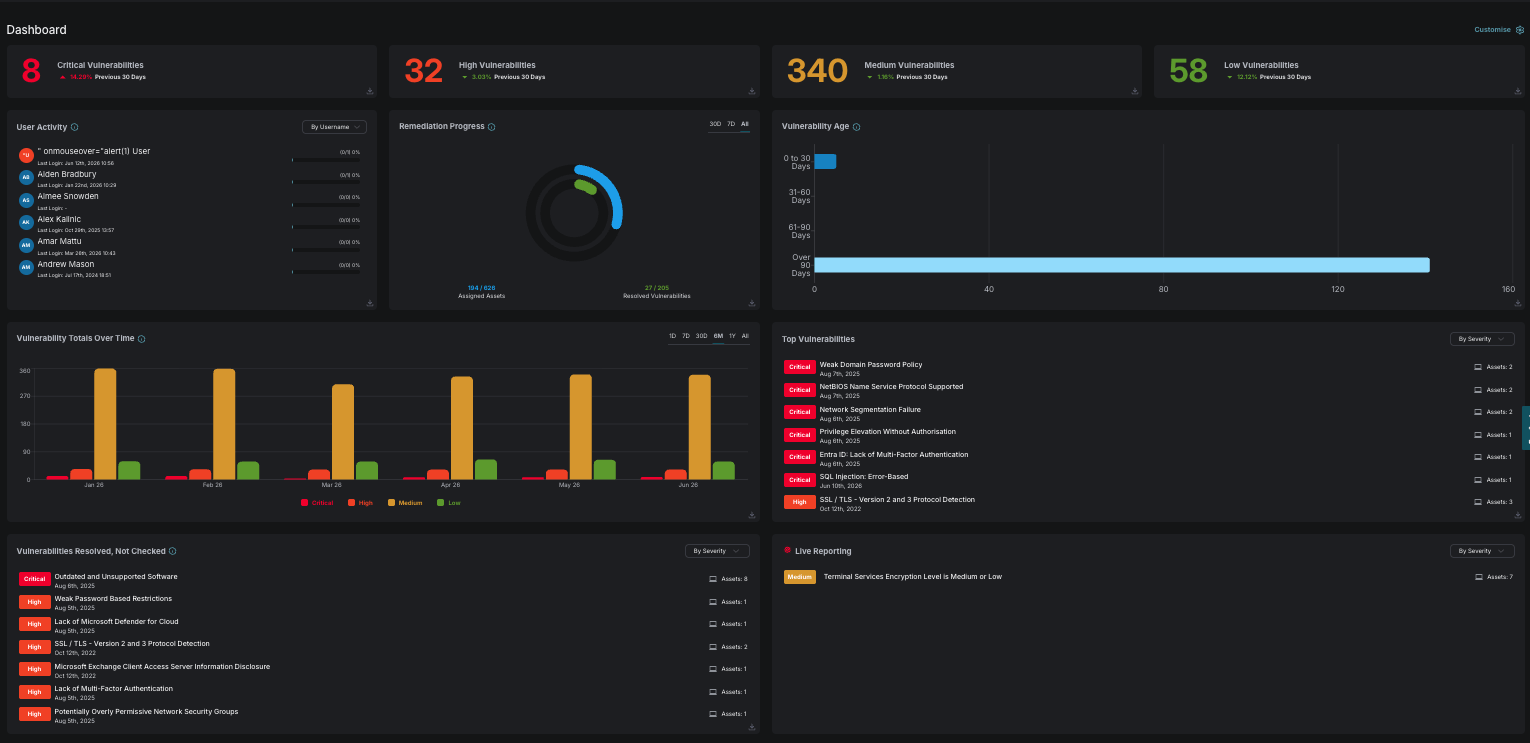
If you're an existing GuardNest customer, the Continuous Scanning dashboard is live on your account now. Log in to see it, configure your SLA settings and walk through the updated workflows.
If you're new to GuardNest, book a demo and we'll show you how Continuous Scanning works against the targets that matter to you.
Why teams love us
From robust threat defence to dependable regulatory assurance, our cybersecurity service helps organisations stay resilient, safeguard their data, and concentrate on what truly drives their success.

We’ve always been very impressed with the cyber security services WorkNest provide us. Their professional approach, knowledge and flexibility have ensured they have become a key trusted partner in our supply chain.

Paymentsense
Founder
WorkNest Secure delivered a highly professional and thorough incident response service. Their team’s technical knowledge, attention to detail, and clear communication throughout the process made a complex area easy to navigate. The quality of the analysis and final reporting gave us real assurance and added value to our internal security efforts, minimising the impact to the business.
Shoezone
Head of IT
WorkNest Secure perform Web Application and Infrastructure Penetration Testing for Pharmacy2U. They are always professional to engage with, provide an excellent level of service, and the addition of GuardNest makes receiving and interrogating the results of the service very easy indeed.
We look forward to working with them in the future and trust the work they deliver.
Pharmacy2U
Founder
WorkNest Secure stand out in the field of penetration testing due to the skillset of people they have working there. We undertook a complex bespoke pentest with them, which required a lot of pre-work in order to make sure it was scoped correctly, and they took the time to come onsite to make sure all was correct prior to commencing.
From my experience with them, they are very intelligent people with a deep understanding of the security landscape, and we will continue to use them for future testing requirements.
Interactive Investor
Information Security Manager