





Blog
Microsoft 365 Outage: What Went Wrong and the Lessons for Cyber Resilience
The recent global Microsoft 365 outage serves as an important reminder that even the largest technology providers can experience significant disruptions, and having backup systems in place doesn't always guarantee business continuity.
On November 12, 2026, Microsoft experienced a major outage affecting Exchange Online and other Microsoft 365 services. The disruption impacted businesses that rely on Microsoft's cloud infrastructure for daily operations, raising important questions about system reliability, infrastructure resilience, and business continuity planning.
Following an investigation, Microsoft identified three contributing factors behind the incident. However, the biggest takeaway isn't simply that a software defect caused an outage. It's how several independent issues combined to trigger a cascading failure that Microsoft's existing recovery and resilience mechanisms were unable to contain.
For organizations increasingly dependent on cloud-based services, the incident highlights the importance of proactive infrastructure testing, continuous monitoring, and effective recovery planning.
What caused the global Microsoft 365 outage?
According to Charles Lamanna, Microsoft's Executive Vice President of Copilot, Agents and Platform, three key factors contributed to the incident.
1. An underlying software defect
A previously undetected defect in Microsoft's networking gateway software caused servers to become unresponsive under certain conditions.
The defect originated from a software update deployed in July 2026 and involved lock contention, a situation where multiple processes compete for access to the same computing resources.
Although the update had been operating without apparent issues for several months, the defect became a problem when network demand increased.
2. Increased network traffic
Approximately 15 hours before the outage, Microsoft Teams switched from an alternative networking gateway to the primary gateway, which also supported Exchange Online.
This process, known as failover, is designed to maintain service availability by redirecting traffic when systems need to switch between infrastructure.
However, the additional traffic placed greater demand on the primary gateway, creating the conditions needed to trigger the underlying software defect.
3. Reduced server capacity
At the time of the incident, nearly 14% of Microsoft's networking gateway server capacity was already unavailable due to an unrelated issue.
While this reduction alone wasn't enough to cause a major outage, it limited the infrastructure's ability to handle the increased traffic.
Together, these three factors created the conditions for widespread service disruption.
How Microsoft's backup systems contributed to the outage
One of the most significant findings from the investigation was how Microsoft's automated failover mechanisms contributed to the spread of the disruption.
When servers became unresponsive, Microsoft's traffic management systems automatically redirected requests to other available servers.
Under normal circumstances, this helps maintain service availability and prevent downtime.
However, during the outage, redirecting traffic increased the pressure on the remaining infrastructure, causing the same software defect to affect additional servers.
This resulted in a cascading failure, where disruption spread across interconnected systems rather than remaining isolated.
Microsoft also had mechanisms in place to prevent failures from spreading between different parts of its infrastructure. However, these controls were unable to contain the incident.
Recovery presented additional challenges. As affected servers restarted, accumulated requests quickly overwhelmed them again, requiring engineers to apply corrective updates and gradually restore service capacity.
This highlights an important distinction between redundancy and resilience.
Having backup systems and automated recovery processes is essential, but businesses also need to understand how those systems perform when multiple failures occur at the same time.
What can businesses learn from the Microsoft 365 outage?
Although Microsoft's infrastructure operates on a global scale, the lessons from this incident apply to organizations of all sizes.
1. Test beyond normal operating conditions
Infrastructure testing should consider unexpected traffic increases, reduced capacity, and scenarios where multiple systems fail simultaneously.
Testing under realistic conditions can help businesses identify weaknesses that may not be detected through routine assessments.
2. Understand critical infrastructure dependencies
Cloud platforms and business-critical applications are increasingly interconnected. Organizations need to understand how their systems depend on one another and whether an issue affecting one service could disrupt other essential operations.
3. Maintain continuous security visibility
Software updates, configuration changes, and emerging vulnerabilities can introduce new risks over time.
Regular security assessments, penetration testing, and continuous vulnerability scanning help businesses identify and address security weaknesses before they can be exploited.
While these measures wouldn't necessarily have detected Microsoft's specific software defect, they remain essential components of an effective cybersecurity strategy.
4. Strengthen incident response and recovery planning
An effective incident response strategy should account for situations where normal recovery processes become unavailable or overwhelmed.
Regularly reviewing response procedures, testing recovery plans, and establishing clear escalation processes can help organizations minimize disruption and respond more effectively when incidents occur.
5. Don't assume redundancy eliminates risk
Having backup infrastructure doesn't automatically guarantee business continuity.
Organizations should regularly evaluate their failover mechanisms and identify shared dependencies that could allow failures to spread across interconnected systems.
Strengthening cybersecurity and resilience with WorkNest Secure
The Microsoft 365 outage demonstrates that no organization can completely eliminate the possibility of infrastructure failures. However, businesses can take proactive steps to strengthen their security posture, identify weaknesses, and improve their preparedness for unexpected incidents.
At WorkNest Secure, we help businesses strengthen their cybersecurity through services including:
Penetration Testing: Identifying exploitable vulnerabilities across networks, applications, and infrastructure to help organizations understand where their systems may be exposed.
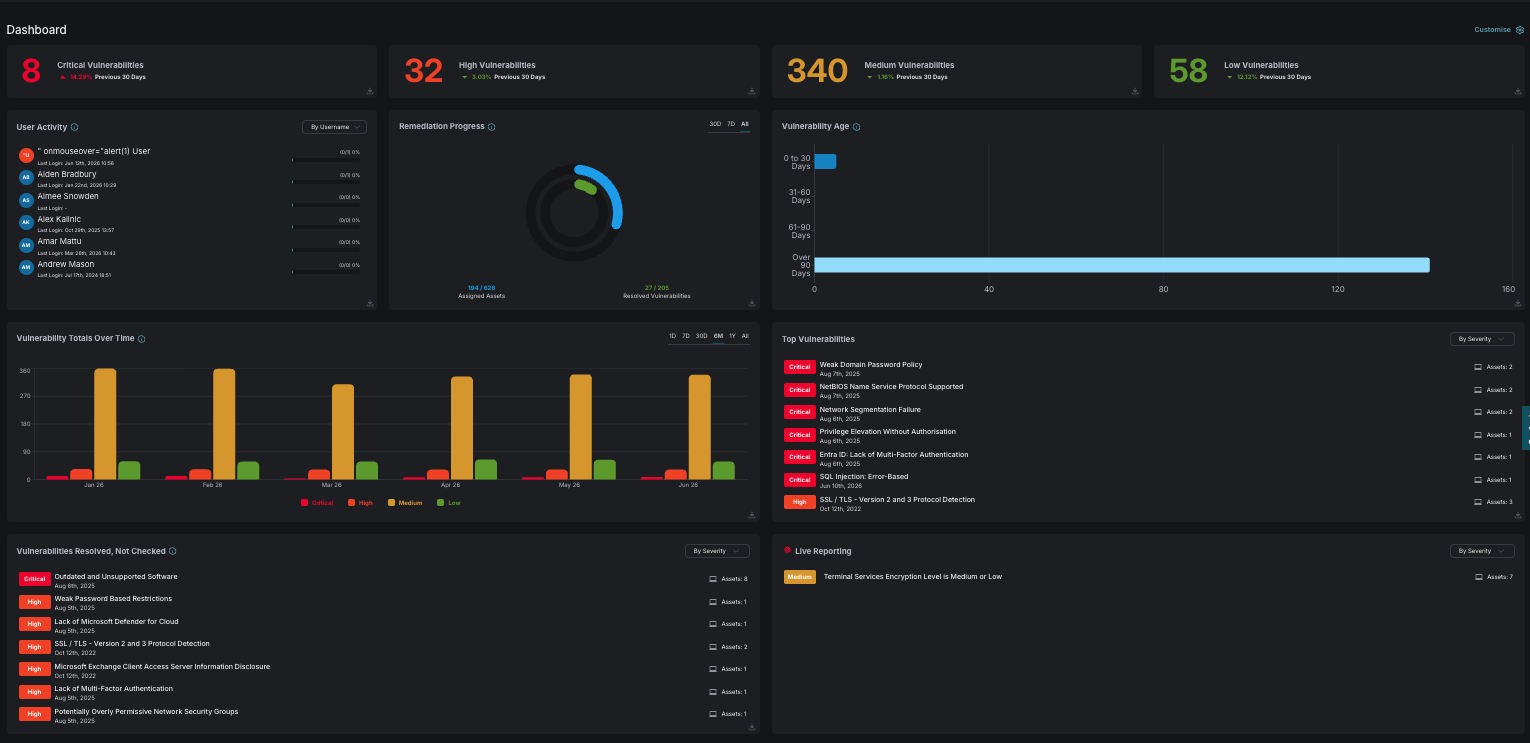
GuardNest Vulnerability Management: Providing continuous vulnerability scanning, remediation tracking, and ongoing visibility into security risks between penetration tests.
Incident Response Readiness: Helping organizations evaluate and improve their ability to prepare for, manage, and respond to cybersecurity incidents.
While these services don't replace dedicated infrastructure resilience or disaster recovery testing, they support a more comprehensive approach to identifying and managing cybersecurity risks.
Final thoughts: Building resilience beyond backup systems
The Microsoft 365 outage highlights the risks of relying on third-party providers and the importance of robust business continuity plans and backups. With disruptions becoming increasingly costly, frameworks such as ISO 22301 can help organizations strengthen resilience and prepare for the unexpected.
Is your business prepared for the next major outage? Learn how WorkNest Secure can help strengthen your business continuity and resilience.
If you're an existing GuardNest customer, the Continuous Scanning dashboard is live on your account now. Log in to see it, configure your SLA settings and walk through the updated workflows.
If you're new to GuardNest, book a demo and we'll show you how Continuous Scanning works against the targets that matter to you.
Why teams love us
From robust threat defence to dependable regulatory assurance, our cybersecurity service helps organisations stay resilient, safeguard their data, and concentrate on what truly drives their success.

We’ve always been very impressed with the cyber security services WorkNest provide us. Their professional approach, knowledge and flexibility have ensured they have become a key trusted partner in our supply chain.

Paymentsense
Founder
WorkNest Secure delivered a highly professional and thorough incident response service. Their team’s technical knowledge, attention to detail, and clear communication throughout the process made a complex area easy to navigate. The quality of the analysis and final reporting gave us real assurance and added value to our internal security efforts, minimising the impact to the business.
Shoezone
Head of IT
WorkNest Secure perform Web Application and Infrastructure Penetration Testing for Pharmacy2U. They are always professional to engage with, provide an excellent level of service, and the addition of GuardNest makes receiving and interrogating the results of the service very easy indeed.
We look forward to working with them in the future and trust the work they deliver.
Pharmacy2U
Founder
WorkNest Secure stand out in the field of penetration testing due to the skillset of people they have working there. We undertook a complex bespoke pentest with them, which required a lot of pre-work in order to make sure it was scoped correctly, and they took the time to come onsite to make sure all was correct prior to commencing.
From my experience with them, they are very intelligent people with a deep understanding of the security landscape, and we will continue to use them for future testing requirements.
Interactive Investor
Information Security Manager